
What Is CAR-T Cell Therapy?
CAR-T cell therapy stands for chimeric antigen receptor T-cell therapy. It is a type of immunotherapy that modifies a patient's T cells. These immune cells help defend the body by recognising and attacking specific malignant cells.
Unlike treatments that act directly on cancer cells, CAR-T therapy uses specially engineered immune cells to target them. The process involves collecting T cells from the patient, modifying them in a laboratory, growing enough cells for treatment, and returning them to the patient's bloodstream.
Once infused, the modified cells can recognize a particular target on cancer cells and trigger an immune response. CAR-T therapies have become an important treatment option for several blood cancers, although their effectiveness depends on the specific therapy and disease.
This process involves several stages, each with its own biological and technical considerations.
What Does a CAR-T Cell Therapy Animation Show?
A CAR-T animation can turn this multi-step treatment into a visual sequence, helping viewers follow what happens from cell collection to cancer-cell targeting.
1. T-cell collection
The process begins by collecting T cells from the patient's blood through a procedure called leukapheresis. The collected cells are then prepared for modification.
2. Genetic modification
In the laboratory, the T cells are modified so they can produce chimeric antigen receptors (CARs) on their surfaces. These receptors give the engineered cells the ability to recognize a selected target, such as an antigen found on certain cancer cells.
3. Cell expansion
The modified cells are grown under controlled conditions to produce enough cells for treatment. The resulting product undergoes quality checks before it can be released for use.
4. Reinfusion into the patient
The prepared CAR-T cells are infused back into the patient. They then circulate through the body, where they may encounter cells carrying the target antigen.
5. Target recognition and cell killing
When a CAR-T cell binds to its target, the interaction activates the T cell. It can then release substances that damage or kill the targeted cancer cell. The strength and duration of this response depend on several biological factors.
These stages provide a useful framework for an animation storyboard. The visuals can follow the treatment in sequence while introducing more detailed cellular interactions only when they become relevant.
Why Is CAR-T Difficult to Explain?
CAR-T therapy brings together several levels of biology. Viewers need to understand the treatment journey, the structure of an engineered immune cell, and the interaction between that cell and its target.
Explaining all of this through text alone can be challenging, especially for audiences who are unfamiliar with immunology.
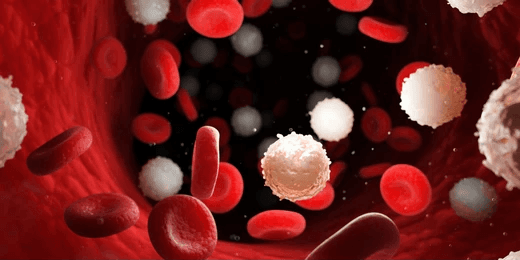
Animation can connect these ideas through visual transitions. For example, a sequence might begin with a view of the patient's bloodstream, move closer to an individual T cell, and then reveal the interaction between its engineered receptor and a target antigen.
This change in scale helps viewers see how a treatment involving cells and molecular structures relates to the overall therapeutic process.
The aim is not to display every biological detail at once. It is to introduce information in a logical order, so each visual prepares the audience for the next concept.
What Scientific Details Need Careful Attention?
CAR-T animations require more than attractive cellular visuals. The underlying physiology must be represented accurately, particularly when the animation is intended for healthcare professionals, researchers, or pharmaceutical audiences.
CAR structure and function
A chimeric antigen receptor contains components that help it recognize a target and activate the T cell. Its design typically includes an antigen-binding region, a transmembrane region, and intracellular signaling components. The exact design can vary between CAR-T products, so an animation should reflect the specific therapy being explained.1
Target antigen selection
The target antigen is central to how CAR-T therapy works. However, it should not automatically be portrayed as something found exclusively on cancer cells. Some targets may also be present on healthy cells, which can influence both treatment effects and safety.
Immune activation
After recognizing its target, a CAR-T cell activates signaling pathways that support its response. An animation can simplify this process, but it should distinguish between target recognition, cellular activation, and the effects on the cancer cell.
Safety considerations
CAR-T therapy may induce serious adverse effects, including cytokine release syndrome (CRS), an inflammatory response associated with immune activation, and immune effector cell-associated neurotoxicity syndrome (ICANS), which affects the nervous system.2
An educational animation should avoid implying that treatment is risk-free or that every patient experiences the same response.
Scientific review during scripting and storyboarding helps ensure that simplified visuals remain faithful to the mechanism being presented.
Who Can Benefit From a CAR-T Animation?
The most suitable approach depends on who needs to understand the therapy and why.
Healthcare professionals: A mechanism-focused animation can support discussions about how a specific CAR-T treatment works.
Patients and caregivers: A carefully simplified version can help explain the treatment journey and what happens to the patient's cells.
Pharmaceutical and biotechnology teams: Animations can communicate a therapy's mechanism of action during scientific presentations, internal training, or product education.
Researchers and educators: Visual explanations can support teaching about immune-cell engineering, antigen recognition, and cellular responses.
The same underlying science may need different levels of detail for these audiences. A patient education video, for instance, may focus on the treatment journey, while a scientific presentation may require closer views of receptor structure and intracellular signaling.
2D or 3D: Which Works Better for CAR-T?
Both 2D and 3D animation can explain CAR-T therapy effectively. The right choice depends on the subject, audience, and intended use, not simply on how complex the science is.
2D animation can work well for process diagrams, treatment sequences, labeled cellular interactions, and educational videos that prioritize clarity and a defined visual path.
3D animation can be useful when viewers need to examine cell surfaces, receptor structures, or interactions from different angles. It can also support transitions between the patient's body, individual cells, and molecular details.
Some projects may benefit from combining both approaches. A 2D overview could introduce the treatment process, followed by a more detailed 3D sequence showing how the CAR receptor interacts with its target.
The key is to choose a visual style that makes the science easier to follow rather than adding detail for its own sake.
How Much Does a CAR-T Animation Cost?
The cost of a CAR-T animation depends on the scientific complexity, visual approach, level of detail, and production requirements. A simple educational overview and a detailed 3D mechanism-of-action animation may require very different levels of work.
For a broader explanation of the factors that influence budgets, read our guide: How Much Does Medical Animation Cost in 2026?.
You can also explore CDI Studio's medical animation portfolio to see how different visual approaches can be used to communicate complex healthcare concepts.
From Cells to Treatment: Making CAR-T Easier to Understand
CAR-T cell therapy is a multi-stage treatment built around a sophisticated interaction between engineered immune cells and their targets. Explaining it clearly means helping viewers connect the treatment journey with the cellular processes that make it work.
A well-planned animation can organize these complex ideas into a visual sequence, making the mechanism easier to follow without losing the scientific details that matter. The strongest approach starts with the audience's needs, builds around a clear explanation, and keeps every visual grounded in the science.
References:
Larson RC, Maus MV. Recent Advances and Discoveries in the Mechanisms and Functions of CAR T Cells. Nature Reviews Cancer. 2021 Mar 1;21(3):145–61.
Xiao X, Huang S, Chen S, Wang Y, Sun Q, Xu X, et al. Mechanisms of cytokine release syndrome and neurotoxicity of CAR T-cell therapy and associated prevention and management strategies. Journal of Experimental & Clinical Cancer Research. 2021 Nov 18;40(1).
Disclaimer: This article is intended for educational purposes only and does not replace professional medical advice. CDI Studio creates healthcare animation and educational content; this article is not a recommendation for any specific treatment.