
Introduction:
Have you ever noticed "butterflies" in your stomach before an important presentation? Or perhaps stress has left you with an upset stomach or a loss of appetite. These experiences aren't just coincidences rather they're everyday examples of your gut and brain working together.
For years, the digestive system was viewed as little more than a place where food was broken down and nutrients were absorbed. Today, researchers know it's much more than that. Your gut is home to trillions of microorganisms that help regulate digestion, support the immune system, and communicate with the brain in ways scientists are still uncovering.
This remarkable communication network is known as the gut-brain axis (GBA). Instead of functioning independently, the gut and brain are in constant conversation, exchanging signals that influence everything from hunger, digestion to mood, stress, and overall well-being.
As research into the human microbiome continues to expand, the gut-brain axis has become one of the most exciting fields in modern medicine. It is changing how we understand health—not as a collection of separate organs, but as an interconnected system where even the smallest microbes can have a meaningful impact.
So, how exactly do your gut and brain communicate, and why does this relationship matter? Let's take a closer look.
Why Your Gut Is Often Called Your "Second Brain"
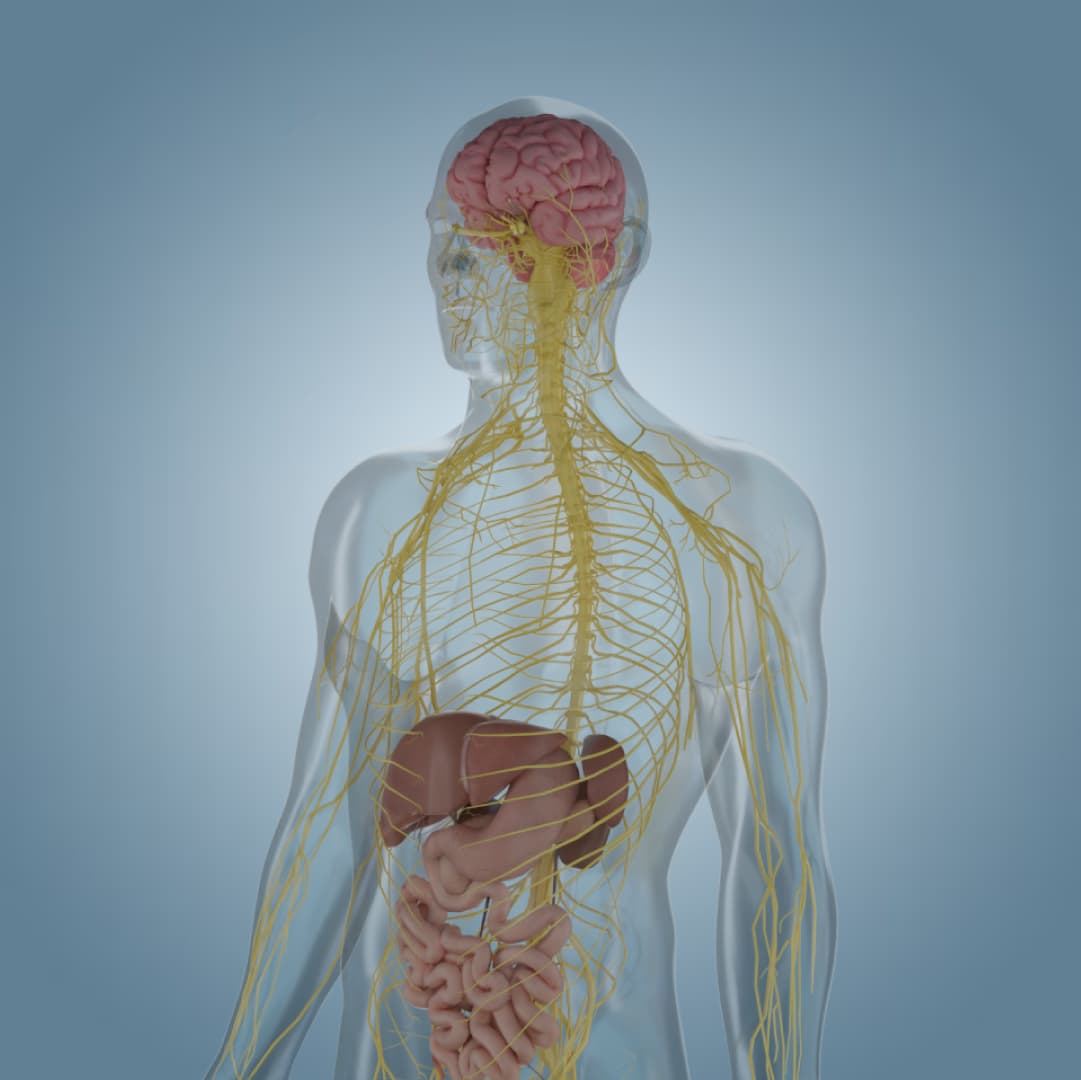
You may have heard the phrase, "the gut is the second brain." While the gut doesn't think or make decisions like the brain, it does contain its own vast network of neurons known as the enteric nervous system (ENS).
Often referred to as the body's "second brain," the enteric nervous system has over hundred million neural cells embedded throughout the digestive tract. This network of neurons aids in coordinating essential digestive functions such as moving food through the intestines, releasing digestive enzymes, and communicating with the central nervous system.
What's even more fascinating is that this communication isn't one-way. The gut constantly sends information back to the brain about what's going on inside our digestive system. In fact, experts estimate that many of the signals traveling along the vagus nerve which is the primary communication pathway between the gut and brain—move from the gut to the brain rather than the other way around.
This constant exchange helps explain why emotional stress can affect digestion and why digestive problems may sometimes influence mood and mental well-being.
While scientists are still exploring this relationship, one thing has become increasingly clear: maintaining a healthy gut supports much more than digestion alone.
What Is the Gut-Brain Axis?
The gut-brain axis (GBA) is the body's communication network that links the brain and the gastrointestinal tract. Instead of operating as separate systems, they work together through a combination of nerve signals, hormones, immune responses, and chemical messengers produced by the gut microbiome.
Think of it as a two-way conversation.
When you're under stress, your brain can influence digestion by delaying stomach emptying, changing appetite, or affecting bowel movements. At the same time, your gut constantly sends updates back to the brain about inflammation, nutrient availability, and the health of the intestinal environment.
This ongoing communication helps regulate many everyday functions, including:
Digestion and nutrient absorption
Hunger and appetite
Immune responses
Stress regulation
Sleep patterns
Mood and emotional well-being
Rather than focusing on one organ in isolation, it is recognized that good health depends on how well these systems work together.
Meet Your Gut Microbiome: The Hidden Ecosystem Inside You
Hidden within your intestines is one of the most complex ecosystems in the human body called the gut microbiome. It consists of trillions of microorganisms, including bacteria, fungi, viruses, and other microbes, many of which play a vital role in maintaining your health.
Although bacteria are often associated with illness, the vast array of microbes living in a healthy gut are either beneficial or harmless. Together, they assist your body perform several important functions, including:
Breaking down dietary fiber that the body cannot digest on its own.
Producing vitamins such as vitamin K and certain vitamin B’s.
Supporting the immune system by helping it distinguish between harmless and harmful microorganisms.
Protecting the intestinal lining from invading pathogens.
Making compounds that help the gut and brain communicate effectively.
A healthy microbiome isn't defined by one "perfect" type of bacteria. Instead, diversity is key. A wide variety of beneficial microorganisms creates a balanced environment that supports overall health.
However, factors such as a poor diet, chronic stress, lack of sleep, illness, or unnecessary antibiotic usage can alter this balance. When healthy microbes decline and harmful ones begin to dominate, a condition known as dysbiosis may develop. Researchers have linked dysbiosis to digestive disorders, metabolic diseases, and changes in brain health, although many of these connections are still being widely studied.
One of the recent study suggested that unhealthy dietary pattern consisting of high sugar or high fat including intake of artificial sweeteners or processed food items may lead to microbial dysbiosis.1
How Your Gut and Brain Stay Connected
Even though the gut and brain are separated by distance, they communicate almost perpetually through several interconnected systems that work together to maintain balance throughout the body.
The Vagus Nerve: The Body's Information Highway
One of the most important communication routes is the vagus nerve, a long cranial nerve that connects the brain to several major organs, including the digestive tract.
The vagus nerve acts like a two-way information highway, carrying messages between the gut and brain throughout the day. These signals help regulate digestion, appetite, heart rate, and the body's response to stress. They also allow the brain to monitor what's happening inside the gut and adjust bodily functions when required.
Chemical Messengers Produced by Gut Microbes
The gut microbiome also communicates by producing biologically active compounds. Certain gut bacteria help produce or influence neurotransmitters and other signaling molecules involved in mood, sleep, and digestion.
One well-known example is serotonin. While serotonin is often called the "feel-good" chemical because of its role in mood regulation, approximately 90% of the body's serotonin is produced in the digestive tract. Although this serotonin doesn't directly cross into the brain, it plays a vital role in regulating digestion and helps illustrate how closely these two systems are connected.
In addition, beneficial bacteria ferment dietary fiber to produce short-chain fatty acids (SCFAs). These molecules help nourish gastrointestinal health, strengthen the gut barrier, support immune function, and may influence communication along the gut-brain axis. Along with its immuno-regulatory properties, several recent studies have indicated that SCFAs perform a pivotal role in obesity management.2
Why the Gut-Brain Connection Matters for Your Health
The gut-brain axis does much more than help digest food. Because the gut and brain are constantly exchanging information, changes in one can influence the other in surprising ways. For this particular reason, it is believed that the gut-brain connection plays an important role in overall health rather than just digestive wellness.
Digestive Health
A balanced gut flora helps your gastrointestinal system work effectively. Beneficial bacteria break down dietary fiber, produce nutrients, and support the protective lining of the intestines. They also help prevent harmful microorganisms from taking over, reducing the risk of digestive discomfort and infections.
When the microbiome becomes imbalanced, however, it may contribute to digestive issues such as bloating, diarrhea, constipation, and conditions like irritable bowel syndrome (IBS). Although these conditions may happen due to multiple causes, maintaining a healthy gut microbiome is increasingly recognized as one factor that supports better gastrointestinal health.
Mood and Mental Well-Being
Have you ever lost your appetite during a stressful week or felt nauseous before an important event? These common experiences highlight the close relationship between the gut and the brain.
Researchers continue to investigate how variation in the gut microbiome may influence mood, stress responses, anxiety, and depression. While the gut flora is not the sole cause of mental health problems, the microbial diversity and the composites produced by good bacteria may have an impact on how our nervous system performs.
This doesn't mean improving gut health can replace professional mental healthcare. Instead, it validates the idea that physical and emotional health are deeply interconnected.
A Stronger Immune System
Many people are surprised to learn that around 70-80% of the body's immune cells are associated with the digestive system. The gut microbiome helps train the immune system to distinguish between harmful pathogens and harmless substances, reducing unnecessary inflammation while supporting the body's natural defenses.
Clinicians are investigating the potential role of gut microbiome disturbances in chronic inflammation, which has been connected to a variety of illnesses.
Supporting Brain Health
The relationship between the gut and brain doesn't end with mood. Emerging research suggests the gut microbiome may also influence memory, learning, and cognitive function.
Scientists are currently studying how changes in the microbiome may be associated with neurodegenerative problems such as Parkinson's disease.3
Although these findings are promising, scientists emphasize that more clinical research is needed before microbiome-based therapies become part of routine medical care.
Simple Ways to Support a Healthy Gut-Brain Axis
The good news is that supporting the gut-brain axis doesn't require a complete lifestyle overhaul. Small, consistent habits can help create an environment where beneficial gut bacteria thrive.
Eat More Fiber-Rich Foods
Dietary fiber is one of the best sources of nourishment for a healthy gut. Foods such as fruits, vegetables, legumes, whole grains, nuts, and seeds provide the fuel these intestinal microbes need to produce health-supporting compounds.
Add Fermented Foods to Your Diet
Fermented foods like yogurt, kefir, kimchi and miso naturally contain beneficial microorganisms that may assist a healthy gut microbiome. Adding these varieties into our balanced diet plan can contribute to microbial diversity.
Staying Active
Exercising on a regular basis benefits much more than boosting your energy. Health professionals suggest that exercise may also promote a healthier and more diverse gut microbiome while supporting brain health and reducing stress.
Prioritize Quality Sleep
Sleep and gut health influence each other in so many ways. Poor sleep may cause disturbance in the microbiome, moreover, this imbalancement can indirectly affect the sleep quality. Establishing a consistent sleep routine supports both digestive and wellbeing.
Manage Stress
Long-term stress can alter gut function and affect the balance of good bacteria. Relaxation techniques such as meditation, yoga, deep breathing exercises, or simply spending time outdoors may alleviate stress and support healthier gut-brain communication.
Use Antibiotics Responsibly
Antibiotics are essential for treating bacterial infections, but they can also reduce friendly bacteria in the gut. They should always be taken exactly as prescribed by a healthcare professional.
How Medical Animation Simplifies the Gut-Brain Axis
The gut-brain axis is one of the most fascinating areas of modern medicine, but it can also be one of the most challenging to explain. Many of the processes involved—such as microbial interactions, nerve signaling, immune responses, and chemical communication—occur at a microscopic level and cannot be seen with the naked eye.
This is where medical animation makes a meaningful difference.
By transforming complex biological processes into engaging visual stories, animation helps audiences understand concepts that might otherwise seem abstract or overwhelming. Whether illustrating how the vagus nerve carries signals between the gut and brain or showing how beneficial bacteria produce health-supporting compounds, animation provides a level of clarity that static images often cannot achieve.
For healthcare providers, researchers, educators, and life science companies, medical animation has become a valuable tool for communicating science accurately while making it accessible to diverse audiences.
Conclusion
The gut-brain axis reminds us that the human body is far more connected than we once believed. Every day, your gut and brain exchange millions of signals that influence digestion, immunity, mood, and many other essential functions.
Although researchers are still uncovering the full complexity of this relationship, today's evidence already highlights the importance of caring for your gut through a balanced diet, daily physical activity, quality sleep, and effective stress management. These simple habits not only support digestive health but may also contribute to wellness.
As research into the gut microbiome continues to grow, our understanding of this remarkable partnership will only deepen. By combining scientific discovery with innovative educational tools such as medical animation, we can make these complex biological processes easier to understand and more meaningful for healthcare professionals, patients, and the wider community.
References:
Safarchi A, Al-Qadami G, Tran CD, Conlon M. Understanding dysbiosis and resilience in the human gut microbiome: biomarkers, interventions, and challenges. Frontiers in Microbiology. 2025 Mar 4;16.
Xiong RG, Zhou DD, Wu SX, Huang SY, Saimaiti A, Yang ZJ, et al. Health Benefits and Side Effects of Short-Chain Fatty Acids. Foods [Internet]. 2022 Sept 15 [cited 2026 July 20];11(18):2863. Available from: https://www.ncbi.nlm.nih.gov/pmc/articles/PMC9498509/
Hamilton AM, Krout IN, White AC, Sampson TR. Microbiome-based therapeutics for Parkinson’s disease. Neurotherapeutics. 2024 Oct 1;21(6):e00462–2.