
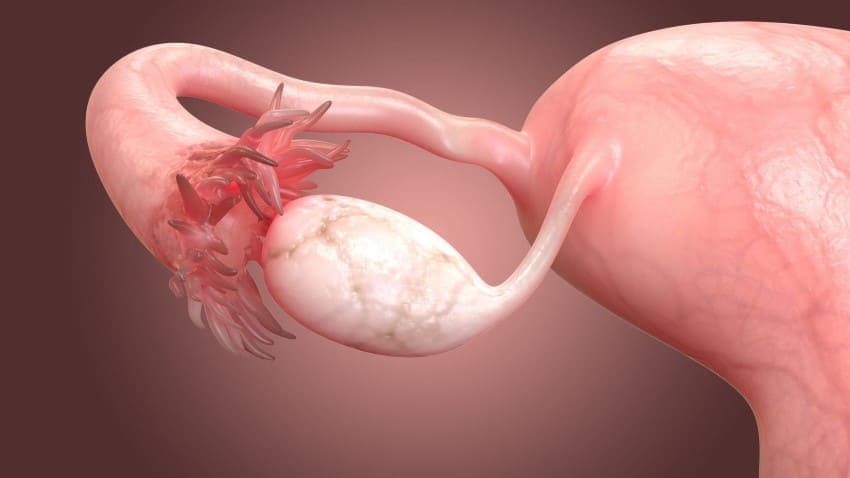
For many women, menopause is introduced as a simple milestone: periods become irregular, hot flashes appear, and eventually menstruation stops.
But that description leaves out much of the story.
Menopause is not just about the reproductive system. As ovarian hormone levels change, particularly estrogen, the effects can be felt throughout the body. Sleep may change. Mood and concentration can feel different. Bone loss becomes more important. Cardiovascular and metabolic health deserve greater attention.
In other words, menopause is a whole-body transition, not simply the point when menstruation ends.
And that makes the years leading up to it, known as perimenopause which is just as important to understand.
What Happens During Perimenopause?
Perimenopause is the transition toward menopause. It can last for several years, as ovarian function becomes less predictable and hormone levels fluctuate.
Periods may become shorter, longer, heavier, lighter, or simply harder to predict. Some women notice hot flashes or night sweats, while others first notice changes in sleep, mood, or their usual energy levels.
Eventually, menstrual periods halt. Menopause is when a menstrual period is absent for at least 12 consecutive months, with no other obvious cause. Natural menopause most commonly occurs between the ages of 45 and 55, although the timing varies from woman to woman.
The experience is also highly individual. Some women have relatively few symptoms, while others experience changes that significantly affect everyday life.
Beyond Hot Flashes: What Else Changes?
Hot flashes may be the symptom most associated with menopause, but they are only one part of the picture.
As estrogen shifts, several systems in the body can be affected.
Sleep and Mood
Night sweats can make sleep difficult, but they are not the only reason sleep may change during menopause.
Some women experience more nighttime awakenings, insomnia, or poorer sleep quality during the menopausal transition. Hormonal fluctuations, vasomotor symptoms, mood, stress, and other factors can overlap, making sleep problems difficult to pin on a single cause.
According to one review, sleep disturbances are common across the menopausal transition, and both vasomotor symptoms and the changing reproductive hormone environment may contribute.1
Mood can shift too. Irritability, anxiety, or emotional swings may occur during this stage, although they should not automatically be attributed to menopause. Persistent or severe symptoms deserve proper medical attention.
Brain and Memory
“Brain fog” is another commonly reported experience.
Some women describe difficulty concentrating, forgetfulness, or feeling mentally slower during the menopausal transition. These experiences can be frustrating, particularly when they appear alongside changes in sleep or mood.
The relationship between estrogen, menopause, and brain function is complex. Current evidence does not support treating Menopause hormone therapy (MHT) as a general treatment for cognitive decline.
A systematic review mentioned analysing 34 randomised controlled trials and found that the effects of menopausal hormone therapy on cognition varied according to factors such as the type of therapy and when treatment began. Overall, the authors found no broad improvement across cognitive domains, although some specific groups and outcomes showed potential benefit.2
This distinction implies that observing occasional brain fog during menopause does not automatically mean a woman is developing dementia or another neurological disease.
Bones
Bones are another area where changing estrogen levels matter.
Estrogen helps regulate bone remodeling. When estrogen levels fall during the menopausal transition, bone loss can accelerate, increasing the risk of osteoporosis and fractures later in life.
That is why bone health deserves attention during midlife rather than only after a fracture occurs.
Regular weight-bearing and resistance exercise can help support bone strength. Adequate nutrition and maintaining a healthy lifestyle are also necessary. Women with additional risk factors may need assessment for osteoporosis and, where appropriate, medical treatment.
Recent systematic reviews continue to support exercise as an important component of maintaining bone mineral density and physical function after menopause.3
Heart and Metabolic Health
This may be one of the most important changes that receives less attention.
Menopause does not suddenly cause heart disease. However, the transition can coincide with changes in several cardiovascular risk factors, including blood pressure, cholesterol, insulin resistance, and body composition.
As women move through menopause, cardiovascular risk becomes increasingly crucial to monitor.
One of the studies described menopause as an important period for cardiovascular risk assessment and prevention, noting that hormonal, metabolic, and vascular shifts during the transition can contribute to increasing cardiovascular risk.4
This makes midlife a valuable time to pay attention to blood pressure, cholesterol, blood glucose, physical activity, sleep, smoking, and other established cardiovascular risk factors.
Body Composition and Metabolism
Many women notice changes in weight or body shape during midlife.
The explanation, however, is more complicated than simply saying that menopause “slows metabolism.”
Ageing, reduced physical activity, low muscle mass, sleep, diet, and hormonal changes can all play a role. Research also suggests that menopause is associated with a shift toward greater central or abdominal fat accumulation.
This is why maintaining muscle, staying physically active, eating a balanced diet, and protecting sleep can be more useful than focusing on a single explanation for weight changes.
Vaginal and Urinary Health
There is another side of menopause that is often left out of everyday conversations.
Lower estrogen can affect vaginal and urinary tissues, potentially causing dryness, discomfort, urinary urgency, or other genitourinary symptoms. These changes are often grouped under the term genitourinary syndrome of menopause (GSM).
These symptoms are common, but women do not simply have to accept them as something they must live with.
Treatment depends on the symptoms and individual circumstances. Options can include over-the-counter creams, as well as local hormonal treatments or other therapies when appropriate.
A scoping study reports that GSM is common and often underdiagnosed or undertreated, while a systematic review of randomised trials provides evidence supporting several local treatment approaches.5
Does Every Woman Need Hormone Therapy?
Not necessarily, and this is one area where menopause conversations may become confusing quickly.
Menopausal hormone therapy (MHT) can be an effective option for bothersome vasomotor symptoms such as hot flashes and night sweats, and it may have benefits for certain other menopause-related conditions.
But it is not appropriate for everyone.
The balance of benefits and risks depends on factors such as age, time since menopause, medical history, the type of therapy, dose, and route of administration. Current evidence supports an individualized approach rather than a one-size-fits-all answer.
For women considering hormone therapy, discussing personal risks, symptoms, and treatment goals with a qualified healthcare professional is far more useful than relying on blanket advice online.
How Can Women Support Their Health Through Menopause?
Menopause cannot be prevented—and it does not need to be “fixed.”
But the transition can be an opportunity to pay closer attention to long-term health.
Regular physical activity, particularly resistance and weight-bearing exercise, can support muscle and bone health. A balanced diet can uplift cardiovascular and metabolic health. Avoiding smoking, protecting sleep, and keeping track of blood pressure, cholesterol, and blood glucose levels can also contribute to healthier aging.
And perhaps most importantly, persistent or severe symptoms should not simply be brushed aside because they happen during menopause.
Menopause is a normal biological transition.
Suffering unnecessarily through it does not have to be.
Menopause Is More Than a Milestone
Menopause has often been reduced to hot flashes and the end of menstruation.
We now have a broader understanding of what this transition can mean for the body.
Changing ovarian hormones can influence reproductive health, bones, sleep, mood, cardiovascular and metabolic health, and the genitourinary system. Not every woman will experience all of these changes, and not every symptom can automatically be attributed to menopause.
That distinction matters.
The goal is not to medicalize a normal stage of life. It is to recognize when changes are happening, understand what they may mean, and give women better information and choices.
Menopause may mark the end of the reproductive years—but it is certainly not the end of a woman's health story.
References:
Baker FC. Optimizing sleep across the menopausal transition. Climacteric. 2023 Apr 3;26(3):198–205.
Andy C, Nerattini M, Jett S, Carlton C, Zarate C, Boneu C, et al. Systematic review and meta-analysis of the effects of menopause hormone therapy on cognition. Frontiers in endocrinology. 2024 Mar 4;15.
Hsu HH, Chiu CY, Chen WC, Yang YR, Wang RY. Effects of exercise on bone density and physical performance in postmenopausal women: A systematic review and meta-analysis. PM & R : the journal of injury, function, and rehabilitation [Internet]. 2024 Dec [cited 2026 Sept 7];16(12):1358–83. Available from: https://pubmed.ncbi.nlm.nih.gov/39032163/
Zoee D’Costa, Spertus E, Shipra Hingorany, Patil R, Horwich T, Press MC, et al. Cardiovascular Risk Associated with Menopause and Menopause Hormone Therapy: A Review and Contemporary Approach to Risk Assessment. Current Atherosclerosis Reports [Internet]. 2025 Oct 9 [cited 2026 Sept 7];27(1). Available from: https://pmc.ncbi.nlm.nih.gov/articles/PMC12511246/
Cuccu I, Golia D’Augè T, Firulli I, De Angelis E, Buzzaccarini G, D’Oria O, et al. Update on Genitourinary Syndrome of Menopause: A Scoping Review of a Tailored Treatment-Based Approach [Internet]. Vol. 14, Life (Basel, Switzerland). Switzerland; 2024 [cited 2026 Sept 7]. p. 1504. Available from: https://pubmed.ncbi.nlm.nih.gov/39598302/