
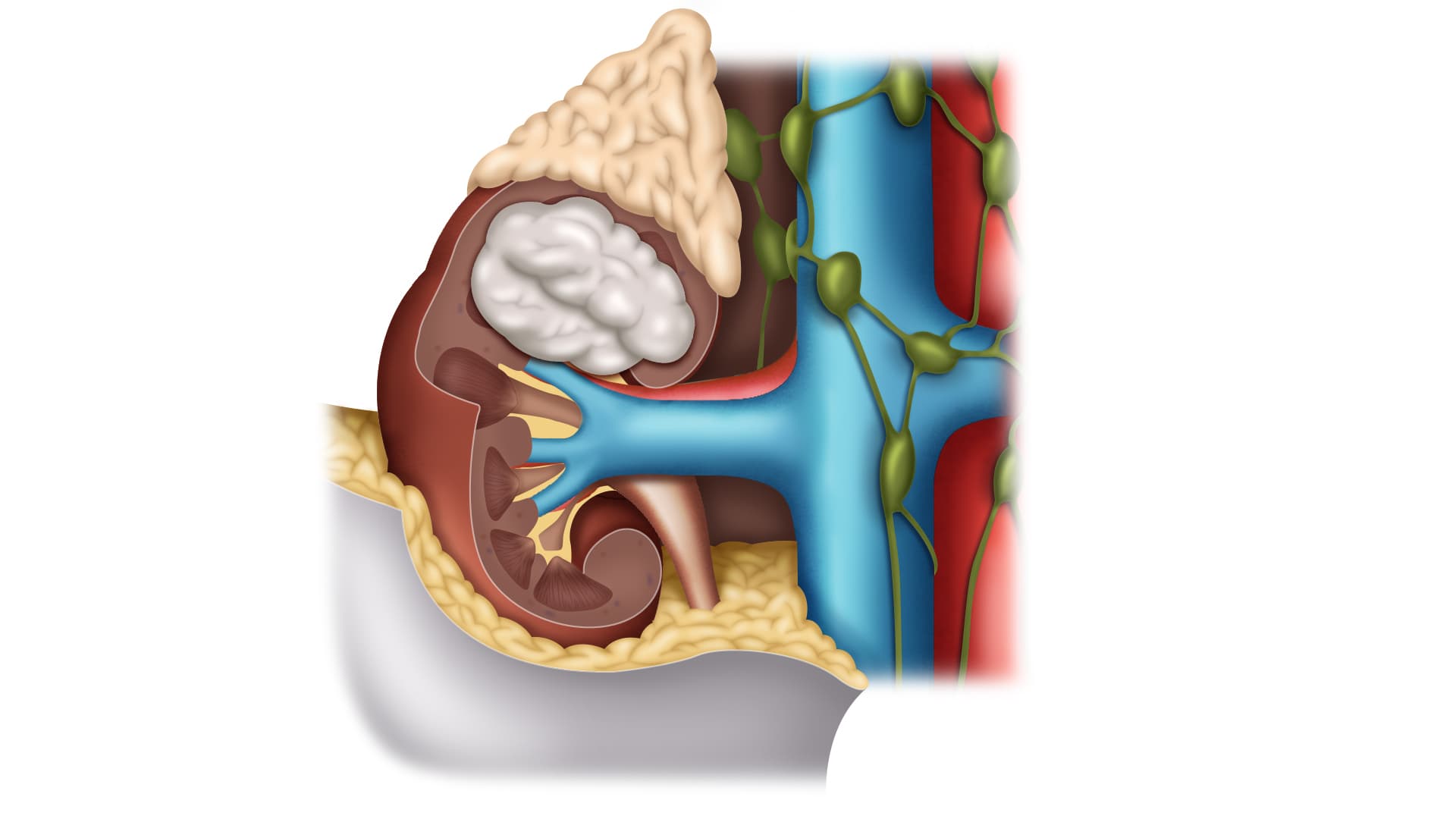
Understanding Kidneys and Chronic Kidney Disease
The kidneys are known as essential organs responsible for maintaining the body’s internal balance. They filter waste products and excessive fluids from the blood, regulate electrolytes such as sodium and potassium, control blood pressure through hormonal pathways, and contribute to the production of red blood cells. In several ways, they act as the body’s natural filtration and regulation mechanism, quietly working in the background to keep our vital functions stable.
Chronic Kidney Disease (CKD) develops when this filtration system gradually becomes impaired over time or for a minimum 3 months timeline. As kidney function declines, waste accumulates in the body, leading to a range of health complications. The disease is divided into five stages that start with mild damage and advance to kidney failure, where dialysis or transplantation is often required. CKD is frequently diagnosed late due to its slow progression and overlooked symptoms in its early phases.
Why Is Chronic Kidney Disease Increasing Globally?
Over the past few decades, CKD has evolved from a relatively under-recognized condition into a major global health problem. Recent estimates in the studies shows that hundreds of millions of people are living with the disease, and its prevalence has nearly doubled since the 1990s. It is now considered among the leading causes of death worldwide.1
This surge is closely tied to broader health and societal aspects including the global increase in diabetes and hypertension which are the primary causes linked to kidney impairment. At the same time, sedentary lifestyles, changes in diet, and escalating obesity rates have further contributed to the problem.
Furthermore, aging populations, particularly in developed countries, add another layer of risk of decline in renal function. Environmental factors, such as heat stress and chronic dehydration in certain regions also emerge as an important contributors.
The World Health Organization majorly highlights CKD as part of the growing burden of non-communicable diseases, especially in low- and middle-income countries where access to early diagnosis remains restricted.
Major Risk Factors
The development of CKD is rarely due to a single cause; instead, it typically results from a combination of health conditions and lifestyle influences. According to the studies, diabetes remains the leading contributor on a global level because diabetic individuals are more vulnerable to renal complications.2
Moreover, hypertension, cardiovascular disease, family history, and advancing age also increase susceptibility.
Lifestyle-related factors play an equally important role such as:
Smoking.
Excessive alcohol consumption.
Diets consisting of high salt content and processed foods can alter kidney damage.
In addition, the prolonged use of certain medications, particularly non-steroidal anti-inflammatory drugs (NSAIDs) has been linked to declining kidney function.
Metabolic factors such as elevated blood glucose levels and obesity are the major drivers of CKD progression.
Signs and Symptoms: Why CKD Often Goes Unnoticed
One of the most challenging aspects of CKD is its subtle onset. In the early stages, many individuals experience no noticeable symptoms, which is why it is often referred to as a “silent epidemic.” By the time symptoms begin to appear, significant kidney dysfunction may already have occurred.
People may observe the following symptoms:
Persistently feeling tired.
Develop swelling on the hands, legs or around the eyes.
Changes in urine - foamy urine or frequent urination.
As the disease progresses, nausea, reduced appetite, and difficulty concentrating may emerge.
According to the Centers for Disease Control and Prevention, a large proportion of individuals with CKD are unaware of having the condition, undervalueing the importance of routine screening.
Diagnosis and Early Detection
Detecting CKD early can significantly alter its course. Diagnosis is typically straightforward and relies on a combination of blood and urine tests. Measuring serum creatinine allows clinicians to estimate the glomerular filtration rate (eGFR), which reflects how well the kidneys are functioning. Urine tests can reveal the presence of protein, an early marker of kidney damage, while imaging studies may be used to identify structural abnormalities.
Because early CKD is often asymptomatic, screening is particularly important for individuals with known risk factors such as diabetes or hypertension. Timely diagnosis enables early intervention, which can delay or even prevent progression to advanced stages.
Treatment and Recent Advances
Although CKD cannot always be reversed, modern treatment strategies are highly effective in slowing its progression and reducing complications. Management typically focuses on controlling underlying conditions, particularly blood pressure and blood sugar levels.
Recent advances in pharmacology, including the use of SGLT2 inhibitors, have shown promising kidney-protective effects.3 In more advanced stages, renal replacement therapies such as dialysis or kidney transplantation may become necessary.
Prevention: The Role of Lifestyle and Diet
Preventing CKD—or slowing its progression—largely depends on adopting healthy lifestyle habits. A balanced diet which is low in salt and rich in whole foods supports kidney function, while adequate water intake helps maintain proper filtration. Engaging in daily physical activity and maintaining a healthy body weight further reduces risk.
Equally important is the cautious use of medications and avoiding unnecessary drug exposure. These preventive measures, although simple, can have a profound impact on long-term kidney health.
The Kidney–Heart Connection
Kidney health is closely intertwined with cardiovascular health. Impaired kidney function increases the risk of heart attacks, strokes, and heart failure. This relationship, often described as cardio-renal syndrome, reflects the complex interplay between these two organ systems.
The American Heart Association highlights that individuals with CKD often face significantly higher cardiovascular mortality, making integrated management of both conditions essential.
Prevention and Early Action
Addressing the rise of CKD requires a combination of individual awareness and systemic healthcare improvements. Regular health checkups, early screening for high-risk populations, and better access to medical care are all essential for preventing the disease. Public health initiatives that promote healthier lifestyles and educate communities about kidney health can play a crucial role in reducing the disease burden.
When to Seek Medical Advice
Medical consultation is necessary if symptoms persists such a:
Constant fatigue.
Nausea.
Vomiting.
Swelling on hands or in lower extremities.
Changes in urine frequency.
Sleeping issues.
Shortness of breath.
Individuals with diabetes, high blood pressure, or those with the family history of kidney disease should be particularly vigilant. Early evaluation can make a significant difference in preventing long-term complications.
Conclusion
The growing prevalence of Chronic Kidney Disease reflects broader global health challenges, including the rise of chronic diseases and lifestyle-related risk factors. Despite its serious implications, CKD is largely preventable and can be managed when detected early. Increasing awareness, promoting healthy living, and improving access to care are key steps toward reducing the impact of this silent epidemic on a global scale.
References:
Mark PB, Stafford LK, Grams ME, Aalruz H, Abd ElHafeez S, Abdelgalil AA, et al. Global, regional, and national burden of chronic kidney disease in adults, 1990–2023, and its attributable risk factors: a systematic analysis for the Global Burden of Disease Study 2023. The Lancet [Internet]. 2025 Nov; Available from: https://www.thelancet.com/journals/lancet/article/PIIS0140-6736(25)01853-7/fulltext
Kumar M, Dev S, Khalid MU, Siddenthi SM, Noman MZ, John CL, et al. The Bidirectional Link Between Diabetes and Kidney Disease: Mechanisms and Management. Cureus [Internet]. 2023 Sep 20;15(9). Available from: https://www.ncbi.nlm.nih.gov/pmc/articles/PMC10588295/
de Boer IH, Khunti K, Sadusky T, Tuttle KR, Neumiller JJ, Rhee CM, et al. Diabetes management in chronic kidney disease: A consensus report by the american diabetes association (ADA) and kidney disease: Improving global outcomes (KDIGO). Diabetes Care [Internet]. 2022;45(12). Available from: https://diabetesjournals.org/care/article/45/12/3075/147614/Diabetes-Management-in-Chronic-Kidney-Disease-A
Disclaimer:
This content is only intended for the educational purpose. Always consult your Health Professional for medical advice.