
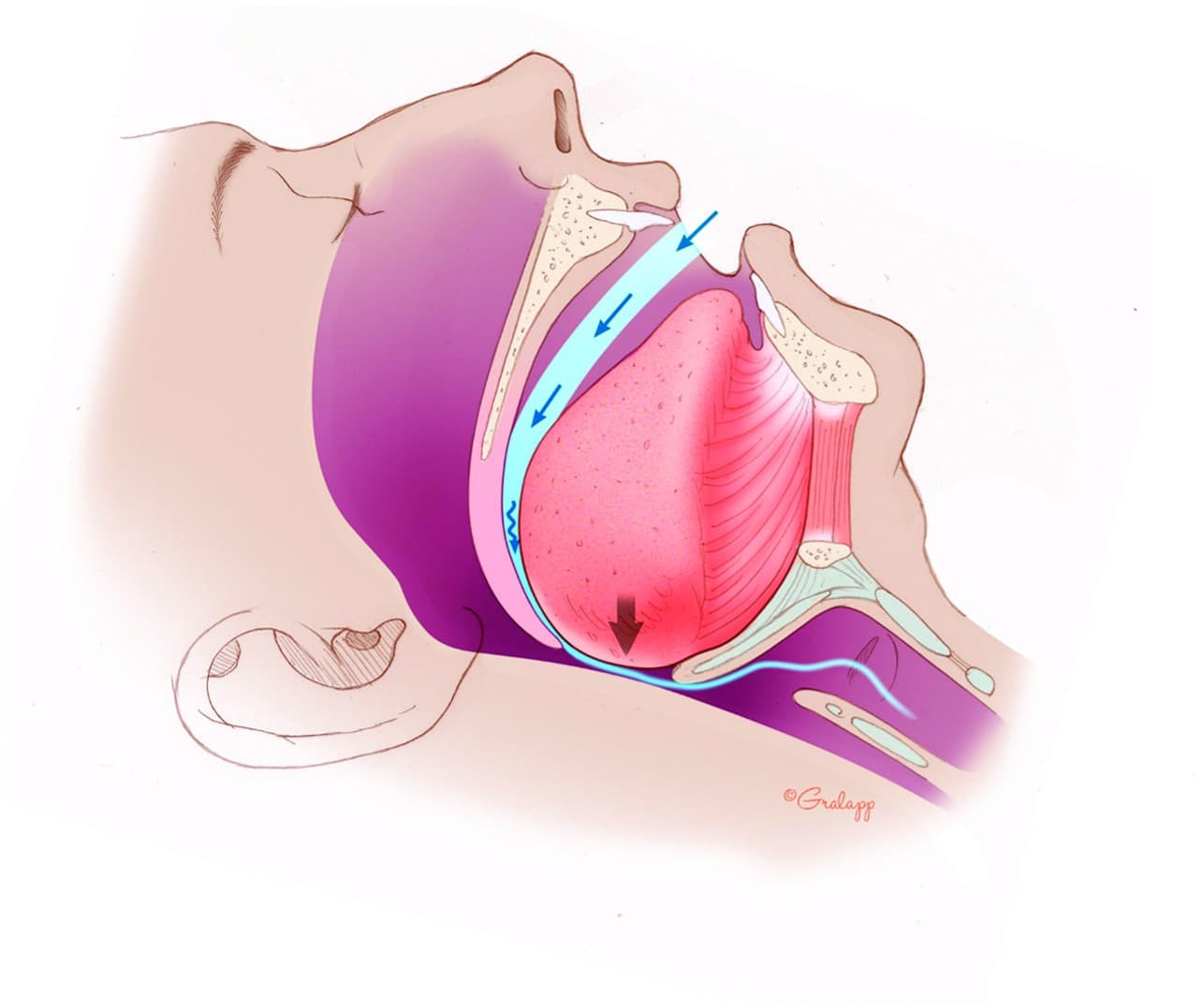
Imagine waking up tired after a long night’s sleep might sound frustrating. For many people, loud snoring, constant fatigue, morning headaches, and brain fog are not just signs of stress or poor sleep habits; they may be pointing to something else like a common but often unrecognized problem known as obstructive sleep apnea.
Obstructive sleep apnea happens when the airway repeatedly becomes blocked during sleep, causing breathing to stop and restart several times throughout the night. These interruptions lower oxygen levels and restricts the body from reaching a deep, restorative sleep. Over time, untreated sleep apnea can increase the risk of hypertension, cardiac disease, diabetes, stroke, or chronic exhaustion.
Continuous Positive Airway Pressure (CPAP) therapy is widely considered the most effective treatment for moderate to severe sleep apnea. However, many individuals find it challenging to use consistently. Some struggle with the mask, others may dislike the noise or dryness, and many simply find the machine uncomfortable to sleep on a longer term. Research continues to show that CPAP adherence remains a major challenge for patients with obstructive sleep apnea.¹
The good news is that CPAP is not the only treatment option available. Depending on the severity of the condition and the underlying cause, several effective alternatives may help improve breathing, reduce snoring, and enhance sleep quality.
Understanding Obstructive Sleep Apnea
During sleep, our muscles in the throat relax naturally. People having obstructive sleep apnea, their muscles relax too much, causing the airway to narrow or collapse momentarily. This causes the breathing to pause for a few seconds before the brain briefly wakes the body to reopen the airway.
These breathing interruptions can occur multiple times each night, often without the person realizing it.
Common Symptoms of Sleep Apnea
Many people with sleep apnea do not know they have it until a partner notices the symptoms. Common warning signs include:
Loud, persistent snoring.
Gasping or choking during sleep.
Feeling tired even after sleeping.
Morning headaches.
Difficulty focusing during daytime.
Mood shifts or irritability.
Dry mouth upon waking.
Frequent nighttime awakenings.
There are several factors that can increase the risk of OSA such as obesity, smoking, aging, nasal blockage, and certain anatomical features such as a narrow airway or enlarged tonsils.
Why Many People Look for CPAP Alternatives
CPAP therapy works by delivering steady air pressure through a mask to keep the airway open during sleep. While effective, many individuals struggle to adjust to sleeping with a machine every night.
Common Reasons People Stop Using CPAP
Feeling claustrophobic while wearing the mask.
Skin irritation or pressure marks.
Dry mouth and nasal congestion.
Air leaks that disrupt sleep.
Trouble sleeping comfortably in certain positions.
One study highlighted that long-term CPAP use varies significantly among patients, reinforcing the need for more convenient and personalized treatment options.2
Because untreated sleep apnea can seriously affect overall health, finding a treatment that patients can realistically maintain is extremely essential.
Weight Loss and Lifestyle Changes
For many individuals, especially those who are obese, weight loss can significantly improve OSA problems.
The excessive fat around the neck and upper airway can imply pressure on the breathing passages, making airway obstructions more likely during sleep. Weight loss may reduce this pressure and regulate the airflow.
A recent study has shown that substantial weight loss and following a healthy lifestyle may remarkably improve severity of sleep apnea.3
Furthermore, practising healthy habits on a regular basis can help with the symptoms. This may include:
Maintain a Healthy Weight: Even losing 10% of body weight may help reduce apnea episodes during sleep.
Exercise Regularly: Physical activity improves heart health, breathing efficiency, and overall sleep quality.
Stop Smoking: Smoking increases airway inflammation and may worsen sleep apnea symptoms.
Improve Sleep Habits: Maintaining a consistent sleep schedule and getting enough rest may reduce fatigue and support better sleep quality.
While lifestyle changes may not completely cure moderate or severe OSA though they can significantly improve symptoms and enhance the effectiveness of other treatments.
Oral Appliance Therapy: A Popular CPAP Alternative
Oral appliance therapy has become one of the most common alternatives to CPAP treatment, especially for mild to moderate sleep apnea.
These custom-made dental devices are worn during sleep and work by gently repositioning the jaw or tongue to keep the airway open.
Benefits of Oral Appliances
Smaller and more comfortable than CPAP machines
Travel friendly
Quiet and simple to use
Often easier to tolerate on a long term
Helpful for reducing snoring
The most common type is called a mandibular advancement device (MAD), which slightly moves the lower jaw forward to prevent airway collapse. One of the examples is Alterna Sleep - a FDA approved healthcare association that utilises custom-made and cost-efficient oral devices for managing the OSA symptoms.
Want a clearer understanding of how Alterna Sleep works? Watch the short video below for a visual explanation of the technology and treatment approach.
Treating Sleep Apnea with OAT #sleepapnea #sleepbetter #2danimation
Positional Therapy for Sleep Apnea
Some people experience worse sleep apnea symptoms when sleeping on their back. This is called positional sleep apnea.
When lying flat, gravity can cause the tongue and soft tissues to fall backward into the throat, narrowing the airway.
Positional therapy focuses on encouraging side sleeping to alleviate airflow during sleep.
Common Positional Therapy Options
Specialized pillows
Sleep position belts
Using wearable devices
For certain patients, simply changing sleep position can noticeably reduce snoring and bedtime breathing interruptions.
Nasal Treatments and Better Airflow
Blocked nasal passages can make sleep apnea symptoms worse and may also contribute to CPAP intolerance.
Improving nasal breathing may help reduce airway resistance and restore sleep quality.
Treatments That May Help
Saline nasal rinses
Nasal steroid sprays
Allergy management
Nasal dilator strips
Surgery for a deviated septum
While nasal treatments alone may not fully treat moderate or severe OSA, they can improve comfort and make other therapies more effective.
Common Surgical Options for Obstructive Sleep Apnea
For some people, lifestyle changes or oral appliances may not be enough to control obstructive sleep apnea symptoms. In such instances, surgery may be considered, especially if the airway is blocked because of structural problems such as enlarged tonsils, excess throat tissue, or jaw abnormalities.
The goal of sleep apnea surgery is to create a wider, more stable airway to improve breathing during sleep.
Uvulopalatopharyngoplasty (UPPP)
Uvulopalatopharyngoplasty, commonly called UPPP, is one of the most well-known surgical procedures for obstructive sleep apnea.
During this procedure, excess tissue from the soft palate, uvula, and throat is removed to widen the airway and reduce obstruction during sleep. UPPP may also help decrease snoring and improve airflow, particularly in patients with blockage occurring at the back of the throat.
Recovery may involve temporary throat discomfort and difficulty swallowing, however many patients experience improved nighttime breathing after healing.
Tonsil Removal (Tonsillectomy)
A tonsillectomy removes enlarged tonsils to create more space for airflow during sleep. In general, the tonsils shrink naturally as the person grows older, since children have larger tonsils, they may require the procedure in comparison to the adults. In pediatric sleep apnea, tonsil and adenoid removal is often considered one of the most effective treatments.
Adults with large tonsils and obstructive sleep apnea may also benefit from this procedure when tonsillar enlargement contributes to airway blockage.
Jaw Advancement Surgery
Jaw advancement surgery, also known as maxillomandibular advancement (MMA), is a more advanced surgical option used for moderate to severe obstructive sleep apnea.
This procedure repositions the upper and lower jaw slightly forward, which enlarges the airway behind the tongue and soft palate. By creating more space in the throat, airflow improves and airway collapse becomes less likely during sleep.
Although recovery can take up to several weeks, MMA is considered one of the most effective surgical treatments for carefully selected patients with severe sleep apnea.
Bariatric Surgery
For individuals with chronic obesity, bariatric surgery may help improve or even resolve obstructive sleep apnea symptoms.
Procedures such as gastric bypass or sleeve gastrectomy support significant weight loss, which can reduce fat deposits around the neck and airway.
Is Surgery Right for Everyone?
Surgery is usually considered when other treatments, such as CPAP therapy or oral appliances, have not been successful.
The best surgical option depends on several factors, including:
Severity of sleep apnea
Airway anatomy
Body weight
Overall health condition
Previous treatment response
A sleep specialist and ENT surgeon typically perform a detailed evaluation before recommending a surgery.
Inspire Therapy and Hypoglossal Nerve Stimulation
Hypoglossal nerve stimulation, commonly known as Inspire therapy, is a newer alternative for patients with obstructive sleep apnea who are unable to tolerate CPAP therapy. The treatment involves a small device implantation in the chest that monitors breathing patterns. This gently stimulates the nerve controlling tongue movement to keep the airway open during sleep time.
Unlike CPAP, Inspire therapy does not require a mask or external tubing, making it a quieter and more comfortable option for some patients with moderate to severe obstructive sleep apnea.
A clinical trial in 2023 reported encouraging results for hypoglossal nerve stimulation in patients who were unable to tolerate CPAP therapy.4
Can Sleep Apnea Be Treated Naturally?
Many people search online for natural remedies for sleep apnea. While healthy lifestyle changes can surely help with symptoms, moderate to severe sleep apnea usually requires medical treatment.
Natural approaches that may help include:
Weight management.
Side sleeping.
Regular exercise.
Quitting smoking
Improving nasal breathing
However, along with natural remedies, a proper medical evaluation is still required for better management.
Choosing the Right Alternative to CPAP
There is no single treatment that works for everyone. The best approach depends upon determining the disease severity, body weight and locating any airway obstruction.
In many cases, combining treatments offers the best results. For example, a patient may benefit from weight loss along with oral appliance therapy OAT or positional therapy combined with nasal treatment.
Working closely with a sleep specialist is the best way to develop a personalized and effective treatment plan.
When to See a Doctor
You should seek medical advice if you experience:
Loud snoring
Excessive daytime fatigue
Morning headaches
Difficulty concentrating
Witnessed breathing pauses during sleep
Persistent poor sleep quality.
A sleep study, either at home or in a sleep laboratory, can help confirm the diagnosis and determine the severity of the condition.
Conclusion
Obstructive sleep apnea is more than just snoring — it is a serious medical condition that can affect nearly every aspect of health and daily life. Although CPAP therapy remains one of the most effective treatments, it is not the only option available.
Weight loss, oral appliance therapy, positional therapy, surgery, inspire sleep device implant, and lifestyle changes all provide promising alternatives for people who struggle with CPAP.
The most important step is seeking proper evaluation and finding a treatment plan that feels manageable and sustainable. With the right approach, many people with sleep apnea can have better sleep, improved energy, and a healthier quality of life.
References
P. Den Teuling NG, van den Heuvel ER, Aloia MS, Pauws SC. A latent-class heteroskedastic hurdle trajectory model: patterns of adherence in obstructive sleep apnea patients on CPAP therapy. BMC Medical Research Methodology [Internet]. 2021 Dec 1 [cited 2026 May 19];21(1). Available from: https://pmc.ncbi.nlm.nih.gov/articles/PMC8638441/
Qiao M, Xie Y, Wolff A, Kwon J. Long term adherence to continuous positive Airway pressure in mild obstructive sleep apnea. BMC Pulmonary Medicine. 2023 Sep 1;23(1).
Meyer EJ, Wittert G. Approach the patient with obstructive sleep apnea and obesity. The Journal of Clinical Endocrinology and Metabolism. 2023 Sep 27;109(3).
Schwartz AR, Jacobowitz O, Eisele DW, Mickelson SA, Miller MB, Oliven A, et al. Targeted Hypoglossal Nerve Stimulation for Patients With Obstructive Sleep Apnea. JAMA Otolaryngology-- Head & Neck Surgery [Internet]. 2023 Jun 1;149(6):512–20. Available from: https://www.ncbi.nlm.nih.gov/pmc/articles/PMC10080405/#:~:text=The%
Disclaimer:
This blog is intended for educational and informational purposes only and should not be considered medical advice, diagnosis, or treatment. Readers should always consult a qualified healthcare professional regarding any medical concerns or conditions.
We specialize in creating healthcare animations and medical visual content designed to simplify complex medical topics, improve patient education, and support healthcare communication.