
Introduction
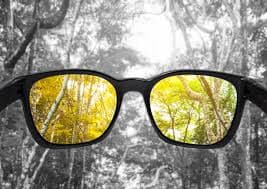
Imagine experiencing the world without its vibrant colors where the reds, blues, greens, and yellows all appear as shades of gray. This grayscale experience is an everyday reality of the individuals who are living with the condition called achromatopsia.
Achromatopsia is a rare inherited eye disorder that affects the retina’s cone cells which are the specialized photoreceptors responsible for color vision, visual sharpness, and seeing clearly in daylight.
People with achromatopsia are born with little to no functioning cone cells, making it problematic to perceive colors and often causing significant sensitivity to bright light. In addition to complete or partial color blindness, many individuals experience reduced visual acuity, involuntary eye movements, and challenges performing regular tasks in brightly lit environments.
To learn more about the condition, it is better to understand first how the retina works.
In general, the retina contains two main types of photoreceptor cells known as rods and cones. The rods help us see in dim lighting and at night, while cones allow us to recognize colors and fine details during the daytime. In people with achromatopsia, the cone cells do not function properly, restricting the brain's ability to process color information and sharp visual images.
Although achromatopsia affects only about 1 in 30,000 people worldwide, its impact on daily life can be substantial.1 Most of the cases are recognised at early childhood or during infancy when symptoms such as light sensitivity and poor visual development become apparent. While there is currently no cure for the condition, ongoing advances in genetic research, retinal therapies, and gene therapy are opening new doors for treatment and offering hope for improved vision in the future.
As scientists continue to learn more about the genetic causes of achromatopsia, awareness and understanding of this rare disorder are growing. In this article, you can explore the symptoms, causes, diagnosis, and emerging treatments for achromatopsia while highlighting how innovation and technology are helping individuals navigate life with this unique visual condition.
Types of Achromatopsia
Achromatopsia can be categorised into two major forms of the disorder:
Complete Achromatopsia
Complete achromatopsia (typical) involves a total lack of cone function. Individuals cannot perceive colors and often experience severe photophobia and low visual acuity.
Incomplete Achromatopsia
In incomplete achromatopsia (atypical), some cone activity remains intact. Patients may perceive some definite colors and generally have slightly better vision than those with the complete form.
Both forms of achromatopsia can significantly affect daily life, particularly in bright environments or tasks requiring detailed visual focus.
Symptoms of Achromatopsia
The symptoms of achromatopsia usually appear shortly after birth and may become more noticeable as a child grows. Most of the time the severity of symptoms varies depending on the level of cone dysfunction. This may include:
Complete or partial color blindness
Extreme sensitivity to bright light (photophobia)
Reduced central vision
Blurred eyesight
Rapid involuntary eye movements (nystagmus)
Difficulty recognizing facial details or distant objects
Poor visual acuity during daylight conditions
Many individuals with achromatopsia feel more comfortable in faint lighting because a bright environment can cause visual discomfort and impair clarity even further.
Causes and Genetic Factors Behind Achromatopsia
Achromatopsia is primarily caused by inherited genetic mutations affecting cone photoreceptor function within the retina. The condition follows an autosomal recessive inheritance pattern, meaning both parents must carry the defective gene for a child to inherit the condition.
The following genes are mainly associated with achromatopsia:
CNGA3
CNGB3
GNAT2
PDE6C
PDE6H
ATF6
These genes are involved in the electrical signaling pathways that allow cone cells to respond to light and color stimuli. Mutations disrupt normal signal transmission, preventing proper color vision and visual sharpness.
The analysis shows that among these genes the most common and frequent mutations are found in CNGA3 with at least 25% of cases and CNGB3 with 75% of the cases caused worldwide.2
How Achromatopsia Affects Vision?
Unlike more common forms of color blindness that affect only certain colors, achromatopsia impacts nearly every aspect of cone-mediated vision.
People having achromatopsia may experience:
Difficulty distinguishing colors entirely
Poor depth perception
Reduced sharpness in daylight
Visual fatigue in bright environments
Challenges with driving or reading signs
Because their rod cells remain functional, night vision may actually be better than daylight vision in some cases. Furthermore, the severity of visual impairment often varies from person to person, depending on the type of mutation and residual cone function.
Diagnosis of Achromatopsia
Early diagnosis is essential for managing symptoms, improving educational support, and identifying eligibility for future treatments. Eye specialists may use several diagnostic tools to confirm whether the person has achromatopsia or not.
Comprehensive Eye Examination: In this type of examination, an Ophthalmologist evaluates visual acuity, eye movement abnormalities, and light sensitivity.
Color Vision Testing: These specialized tests assess the patient’s ability to recognize and differentiate colors.
Electroretinography (ERG): ERG measures the electrical activity of retinal cells and helps identify the presence of cone dysfunction.
Retinal Imaging: Advanced retinal scans can reveal structural abnormalities within the retina.
Genetic Testing: Genetic testing identifies the specific mutation causing the disorder and is increasingly important for clinical trial eligibility and personalized treatment approaches. Early intervention allows patients to access adaptive visual tools and supportive educational resources.
Current Treatment Options for Achromatopsia
While there is currently no cure for achromatopsia, several supportive treatments can help individuals manage symptoms and improve their daily functioning. These approaches focus on reducing light sensitivity, maximizing remaining vision, and promoting greater independence.
Tinted Glasses and Contact Lenses
Since most people with achromatopsia experience severe sensitivity to bright light. The specially designed red-tinted glasses, dark-filter lenses, or tinted contact lenses may assist in reducing glare, improve visual comfort, and make outdoor activities more manageable.
Low Vision Aids
Low vision devices can help individuals perform everyday tasks more conveniently. Magnifiers, large-print materials, screen-reading software, and other digital accessibility tools can support reading, studying, and using electronic devices.
Vision Rehabilitation
Vision rehabilitation programs provide practical strategies for adapting to visual challenges. These programs may include training on using assistive devices, improving mobility, and developing techniques to navigate daily activities more resourcefully.
Although these treatments do not restore color vision, they can significantly enhance quality of life and help individuals with achromatopsia make the most of their remaining visual abilities.
Educational Support
Children with achromatopsia may benefit from classroom accommodations, larger text materials, and controlled lighting environments. Moreover, wearing UV-protective sunglasses and avoiding excessive sunlight exposure may also help minimize discomfort.
Emerging Treatments and Gene Therapy Research
One of the most promising areas of achromatopsia research is gene therapy. This innovative approach aims to restore cone cell function by delivering healthy copies of defective genes directly into retinal cells. Because achromatopsia is a non-progressive condition, researchers believe there is a valuable opportunity to preserve and potentially improve vision through early intervention.
A few clinical trials are primarily being held on CNGB3 and CNGA3 associated mutations to measure safety and proficiency.3 While gene therapy is still being studied, it has the potential to significantly change the future of treatment for inherited retinal disorders.
Beyond gene therapy, scientists are exploring several other emerging opportunities, including:
Stem cell therapy to replace damaged retinal cells
Optogenetics to make retinal cells responsive to light
Retinal prosthetics to support visual function
CRISPR-based gene editing to correct disease-causing mutations
Although these treatments remain under analysis, they represent exciting advances that may one day help restore or improve vision for people living with achromatopsia and other rare retinal diseases.
Neil Harbisson and Technological Innovation in Achromatopsia
Neil Harbisson is one of the most recognized individuals living with achromatopsia. Born with complete color blindness, Harbisson collaborated with engineers to create an assistive device known as the “eyeborg.”
The device converts color frequencies into sound vibrations, allowing him to perceive colors through auditory signals. By essentially “hearing” colors, Harbisson developed a unique sensory interpretation of the visual world.
His work has gained international attention in the fields of neuroscience, assistive technology, and human augmentation. Harbisson’s experience demonstrates how innovation and technology can help individuals with rare visual disorders adapt and communicate their experiences in groundbreaking ways.
His story has also helped raise awareness about achromatopsia globally and inspired conversations about accessibility, sensory perception, and the future of assistive healthcare technologies.
Living With Achromatopsia
Although achromatopsia presents lifelong visual challenges, many people lead independent and fulfilling lives with proper support and adaptive tools.
Modern accessibility technologies, educational accommodations, and low-vision support systems continue to enhance quality of life for affected individuals.
Commonly key coping strategies that are utilized includes:
Using tinted eyewear outdoors
Adjusting screen brightness
Benefiting from assistive reading technologies
Seeking regular ophthalmologic care
Joining low-vision support communities
The Role of Medical Animation in Explaining Rare Diseases
Understanding rare disorders such as achromatopsia can be challenging for patients, caregivers, and even healthcare professionals. The condition involves complex genetic mutations, retinal abnormalities, and visual processing mechanisms that are often difficult to explain through text alone. This is where medical animation becomes a valuable educational tool.
By combining science with visual storytelling, healthcare animation can transform complex medical concepts into clear, engaging, and easy-to-understand experiences. Animated content helps audiences visualize what is happening inside the eye and better understand how the condition affects vision and daily life.
Medical animation can effectively illustrate:
How cone cells function in healthy vision
What happens when cone cells are unable to process color information
The differences between normal vision and achromatopsia
How genetic mutations are inherited and passed through families
The effects of light sensitivity and reduced visual acuity on everyday activities
How emerging treatments, such as gene therapy, target retinal cells
Future research and innovations in inherited retinal disease treatment
By making complex scientific information more accessible, medical animation enhances patient education, supports healthcare communication, and raises awareness of rare diseases. For researchers, clinicians, advocacy groups, and patients alike, visual learning can be a powerful way to improve understanding and engagement while bringing attention to conditions that often remain underrecognized.
For healthcare organizations, biotech companies, and rare disease advocacy groups, animation has become a powerful tool for increasing awareness and improving healthcare communication.
Conclusion
Achromatopsia is a rare but impactful inherited retinal disorder that affects color perception, visual clarity, and sensitivity to light. While there is currently no permanent cure, advances in gene therapy, retinal research, and assistive technology are creating new hope for patients worldwide.
Early intervention, supportive therapies, and adaptive technologies can significantly improve quality of life for individuals living with achromatopsia. Moreover, growing social awareness and scientific knowledge continue to drive progress related to rare disease research.
As the healthcare interaction evolves, medical animation is also playing a vital role in helping patients, caregivers, researchers, and clinicians better understand complex rare diseases like achromatopsia through engaging visual education.
References:
https://fyra.io. Top IRDs to Watch: Achromatopsia - Retina Today [Internet]. Retina Today. 2025. Available from: https://retinatoday.com/articles/2025-july-aug/top-irds-to-watch-achromatopsia
Eshel Y, Abaev O, Yahalom C. Achromatopsia: Long term visual performance and clinical characteristics. European Journal of Ophthalmology. 2023 Nov 3;
Baxter MF, Borchert GA. Gene Therapy for Achromatopsia. International Journal of Molecular Sciences [Internet]. 2024 Sep 9;25(17):9739–9. Available from: https://www.mdpi.com/1422-0067/25/17/9739
Disclaimer:
The healthcare content provided in this blog is intended for educational and informational purposes only and should not be considered medical advice, diagnosis, or treatment. Readers should always consult a qualified healthcare professional regarding any medical concerns or conditions.